




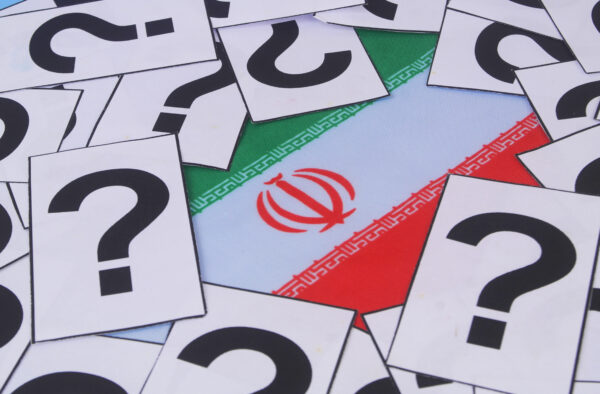
In a dramatic move on March 26, 2026, President Donald Trump extended his ultimatum to Iran by another 10 days, pausing threatened strikes on Iranian energy plants until Monday, April 6, at 8 P.M. Eastern Time. The decision, announced via Truth Social, came “as per Iranian Government request” and followed Iran’s limited goodwill gesture of allowing eight (then ten) oil tankers to pass through the Strait of Hormuz. “Talks are ongoing and, despite erroneous statements to the contrary by the Fake News Media, and others, they are going very well,” Trump declared, adding that Iran is “begging” for a deal after being “decisively defeated” (Breitbart).
The extension marks the latest twist in a four-week conflict that began February 28 with U.S.-Israeli strikes aimed at dismantling Iran’s nuclear and missile programs. An initial Saturday threat of 48-hour energy-plant destruction was first delayed five days after Iranian outreach; now the clock resets to April 6. U.S. special envoy Steve Witkoff, speaking at a White House cabinet meeting, reported “strong signs” that Tehran recognizes it has “no good alternatives. . . other than more death and destruction” (The Times of Israel). Mediators from Pakistan delivered a 15-point U.S. action list for peace, which Witkoff described as an “inflection point” (Reuters; The Times of Israel).
Yet Iranian officials paint a different picture. Tehran submitted a formal response outlining demands: an end to assassinations, compensation for war damages, a comprehensive ceasefire including proxies, and formal recognition of its sovereignty over the Strait of Hormuz. A senior Iranian official called the U.S. proposal “one-sided and unfair,” insisting there are “no talks”—only messages through third parties. (i24 NEWS; Reuters)
Behind the diplomatic language, military preparations remain aggressive. The Pentagon is developing “final blow” options if negotiations collapse, including sending ground troops to seize Kharg Island (90% of Iran’s oil exports), Larak Island, or Abu Musa Island. Thousands of U.S. Marines and paratroopers are already in theater, and uncrewed drone speedboats are now patrolling as part of Operation Epic Fury (Reuters). Officials from mediating countries say Trump is “leaning toward ground invasion,” convinced Iran “will then capitulate,” though they privately doubt long-term success within the stated four-to-six-week timeline (The Times of Israel; World Israel News).
Israel, meanwhile, is not waiting. Overnight, the IDF assassinated IRGC Navy commander Alireza Tangsiri in Bandar Abbas. IDF Spokesman Brig. Gen. Effie Defrin vowed, “The eliminations will not stop; we will continue to pursue anyone who threatens Israel” (Ynet News; The Times of Israel). In the past 24 hours alone, 60 Israeli jets struck dozens of Iranian weapons factories near Tehran and in central Iran (The Times of Israel). Yet IDF Chief of Staff Lt. Gen. Eyal Zamir warned the military “will collapse in on itself” amid manpower shortages, raising “10 red flags” and urging new conscription laws (The Jerusalem Post). Israeli officials expect U.S. notice of major moves but believe they have “no influence” on Trump’s decisions. A senior security source assessed Iran can sustain missile barrages for weeks (The Times of Israel).
Regional allies are mobilizing too. France announced 35 countries joined military talks on reopening Hormuz shipping through “strictly defensive” escorts once hostilities ease (The Times of Israel). Sen. Tom Cotton (R-AR) highlighted the deeper geopolitical layer, calling China and Iran “allies in fighting U.S. leadership of the international order” through oil smuggling and arms transfers (Breitbart).
What’s next? April 6 looms as a potential inflection point. Success could see a ceasefire, reopened shipping lanes, and Iran abandoning nuclear ambitions. Failure risks rapid escalation—ground operations, asset seizures, intensified Israeli strikes, and possible Iranian retaliation that keeps global oil prices elevated.
Blessors of Israel continues to closely monitor this developing story. Please pray for our leadership, troops, Israel and her people, along with the Iranian people.
Dr. Matthew Dodd, Executive Director | March 26, 2026