

Iran at the Crossroads: Revolution, Trump’s Diplomacy, and the “Four Pillars” of Peace

Raised Hands With Burning Torches Against Iran Flag Symbolizing Civilian Protest JPG

The landscape of the Middle East is shifting rapidly as 2026 unfolds. The Islamic Republic of Iran is currently facing a domestic and international crisis of historic proportions. At Blessors of Israel, we believe it is vital to understand these developments through a clear lens of factual reporting and strategic analysis from a biblical perspective.

Here is a comprehensive breakdown of the current situation in Iran based on the latest reports from the ground and diplomatic circles.

A Nation in Revolt

The “proto-revolution” that began in late 2025 has escalated into a nationwide challenge to the regime’s authority. While protests have abated slightly following a deadly crackdown (Reuters), the underlying tension remains explosive. The regime has resorted to extreme measures to maintain control, including an internet blackout that has entered its ninth day (Times of Israel).

Despite the regime’s claims that “Zionist” plots are behind the unrest (Breitbart), evidence suggests internal panic. U.S. Treasury Secretary Scott Bessent reports that Iran’s ruling elites are frantically wiring millions of dollars abroad—a sign of “rats fleeing the ship” as new sanctions take hold (Breitbart).

The Trump Administration’s Delicate Balance

President Donald Trump’s “maximum pressure” campaign has reached a fever pitch. The Pentagon has deployed the USS Abraham Lincoln to the Middle East to deter Iranian aggression amid the turmoil (JNS). However, the administration’s strategy is not purely military.

In a surprising development, President Trump thanked Iran’s leadership for reportedly canceling the executions of over 800 protesters, a move he indicated convinced him to cancel a planned military strike (Times of Israel). Yet, the threat of force remains on the table. The Times of Israel reports that Israel believes Trump may still take military action if provoked, even as some U.S. officials warn that such action might not be enough to fully unseat the regime (World Israel News).

The “Witkoff Conditions”: Four Pillars for a New Deal

U.S. Special Envoy Steve Witkoff has signaled that while the U.S. is “locked and loaded,” it prefers a diplomatic resolution. For Iran to “come back to the league of nations,” Witkoff outlined four core requirements (JNS):

  1. Nuclear Enrichment: A resolution on uranium enrichment levels.
  2. Missile Inventory: A significant reduction in Iran’s ballistic missile stockpile.
  3. Nuclear Material: Addressing existing stockpiles, specifically the approximately 2,000 kilograms of uranium enriched between 3.67% and 60% (JNS).
  4. Regional Proxies: A total cessation of support for proxy groups throughout the region.

Strategic Vigilance and Mediation

Mossad Chief David Barnea arrived in the U.S. on Friday to discuss the Iran situation and possible responses (Times of Israel). While many hope for the regime’s collapse, former CENTCOM Chief Michael Erik Kurilla cautioned that care must be taken “not to create something even worse” (Times of Israel).

Meanwhile, international players are attempting to mediate. Vladimir Putin has reportedly held talks with both Prime Minister Netanyahu and Iranian President Pezeshkian, with Russia expressing a willingness to facilitate a de-escalation (Reuters).

An Uncertain Path Forward

The situation remains fluid. As the Iranian people continue to show immense courage—a sentiment echoed by U.S. officials who state the regime is “afraid of its own people” (JNS)—the global community must decide how best to support their aspirations for freedom while ensuring the safety of the region.

A Biblical Perspective

As believers, we know that the heart of the king is in the hand of the Lord (Proverbs 21:1). The volatility in Iran serves as a reminder to “watch and pray.” Whether the regime falls from internal pressure or the situation is de-escalated through international maneuvers, our mandate remains the same: to stand with Israel and intercede for the Iranian people who are seeking freedom from tyranny.

Please join Blessors of Israel in praying for the salvation of Israel and the people of Iran.

by Dr. Matthew Dodd | January 16, 2026

Brink of War, Breath of Peace: Trump’s High-Stakes Gamble with Iran

The geopolitical landscape of the Middle East is undergoing a rapid and complex shift as the Trump administration navigates a delicate balance between supporting Iranian protesters and avoiding a direct military confrontation with the Islamic Republic. Recent reports suggest that a series of back-channel communications and strategic maneuvers have, for the moment, pulled the region back from the brink of a major escalation.

The “No Surprise” Agreement

In a significant diplomatic development, Israel and Iran have reportedly exchanged promises to refrain from carrying out surprise attacks against one another. This “no surprise” pact, reported by World Israel News, serves as a temporary cooling mechanism amidst months of heightened tensions.

This atmosphere of de-escalation is further bolstered by reports from The Times of Israel indicating that President Trump has directly informed Tehran that the United States is not currently planning an attack. As a gesture of this stance, the U.S. has begun returning troops to the Al Udeid Air Base in Qatar.

Domestic Turmoil and the Iranian Regime Crackdown

While international tensions appear to be thawing, the situation inside Iran remains grim. Nationwide protests that recently gripped the country appear to have been largely smothered by a brutal state crackdown. Israel Hayom reports that the Iranian regime utilized Basij paramilitary forces and armored vehicles to quell dissent, accompanied by widespread internet blackouts to stifle communication.

Despite the apparent silencing of the streets, the Associated Press notes that the fate of potential U.S. action remains unclear. Though the Iranian government briefly shut down its airspace, it has since reopened the skies to commercial traffic (i24 News). However, The Times of Israel highlights that the internal divisions within Iran leave an uncertain future for the nation.

Trump’s Response: Sanctions over Strikes

Rather than military intervention, the Trump administration has opted for economic and diplomatic pressure. The U.S. has imposed fresh sanctions on the “architects” of the crackdown, targeting high-ranking officials responsible for the violence against protesters (JNS; i24 News).

President Trump has also expressed a cautious view regarding the Iranian opposition. According to Reuters, Trump has questioned the ability of exiled Crown Prince Reza Pahlavi to garner significant support within the country. This skepticism, combined with what some describe as a “climbdown” on Iran policy (Israel Hayom), has left critics and allies alike wondering about the long-term U.S. strategy.

Conflicting Reports on Human Rights

The humanitarian situation remains a point of contention. While The Jerusalem Post and The Times of Israel report on the continued “stalling” of international intervention, Trump has suggested that the Iranian crackdown may be easing.

Reuters reports that Tehran has denied the imminent execution of high-profile protesters, though these claims are met with skepticism by human rights monitors and the Israeli press (The Jerusalem Post). As the dust settles on this latest wave of unrest, the Middle East finds itself in a fragile state of “no war, no peace.” While the immediate threat of a regional conflagration has diminished due to back-channel assurances, the underlying issues—the aspirations of the Iranian people and the regime’s regional ambitions—remain unresolved.

Please join Blessors of Israel in praying for the salvation of Israel and the people of Iran.

by Dr. Matthew Dodd | January 15, 2026

Trump: “The Killing Has Stopped” as Iran Erupts

President Donald Trump declared that the Iranian regime had informed the United States that the killing of protesters had stopped and that planned executions had been canceled (The Times of Israel). The statement drew immediate global attention as Iran continues to reel from widespread unrest, brutal repression, and rising international pressure.

According to President Trump, U.S. officials were notified directly by Tehran that executions would not proceed (World Israel News). Despite the claim, Trump declined to say that military options against Iran were off the table, signaling continued concern over the regime’s intentions (The Times of Israel).

Brutal Crackdown Versus Claims of Calm

Even as the White House conveyed Tehran’s assurances, reporting from inside Iran sharply contradicts claims that state violence has ended. Reuters reported that the death toll from Iran’s protest movement is approaching 2,600, citing human rights organizations. Other reports suggest far higher numbers. The Jewish News Syndicate cited estimates placing the death toll to at least 12,000, highlighting the extraordinary scale of the regime’s crackdown.

The Times of Israel reported that doctors in Tehran have noted that Iranian security forces have intentionally fired at protesters’ eyes and heads, indicating a deliberate effort to maim demonstrators rather than disperse them. Additional reports from Breitbart and The Jerusalem Post described fast-track trials, torture, and executions aimed at crushing dissent.

Regime Claims “Control” as Iranians Flee

Iran’s Foreign Minister, Abbas Araghchi, told Fox News that the situation is calm and that the regime is “in full control” (The Times of Israel). Yet Reuters reported that increasing numbers of Iranians are fleeing into Turkey through border crossings as repression continues. Many Iranians refused to talk with the media “expressing fear of repercussions in Iran when they return.”

Italy, Poland, and Spain urged their citizens to leave Iran immediately, signaling fears that conditions could deteriorate further (The Times of Israel).

International Pressure Grows

The G7 warned Iran it could impose additional restrictive measures over its violent suppression of protesters (The Times of Israel). China, meanwhile, expressed anger over U.S. tariffs tied to Iran after losing access to Venezuelan oil, according to Breitbart, underscoring the global economic impact of the crisis.

The Associated Press reported that Iran continues prosecuting protesters while attempting to suppress information, even as satellite internet access has allowed some Iranians to bypass regime controls and communicate with the outside world. Though not confirmed by SpaceX, activists claim Starlink has dropped its fees to “allow more people to circumvent the Tehran government’s strongest attempt ever to prevent information from spilling outside its borders.”

Regional and Military Tensions Rise

The internal crisis is unfolding alongside heightened military readiness across the region. Israel has gone on high alert, with the IDF preparing for potential Iranian responses (Israel Hayom). Iran claims it has expanded its missile stockpile and reached peak readiness for conflict (Israel Hayom).

According to Axios, the U.S. has repositioned forces, with some American personnel ordered to leave bases in Qatar. i24News reported similar steps by the United Kingdom. Oil markets are closely watching the situation, weighing the risk of a strike on Iran and its potential impact on global energy supplies (Axios).

At the same time, The Times of Israel reported that Israel and several Arab nations have urged Washington to delay any military action, believing the Iranian regime may weaken further under sustained internal pressure. Saudi officials are cautioning Washington against an extensive strike on Iran to prevent the Iranian regime from reinforcing “Tehran’s narrative that foreign powers are scheming against the country,” a message the regime has repeatedly used to justify repression in the past (World Israel News).

A Crisis Far From Over

President Trump’s statement that “the killing has stopped” offers a possible opening for de-escalation. Yet the volume and consistency of reporting indicates that Iran remains gripped by violence, fear, and instability.

As Iran erupts from within and the world braces for potential escalation, the unfolding crisis underscores a stark truth: official assurances cannot obscure the suffering of a nation—or the profound consequences of a regime at war with its own people.

At Blessors, we seek to provide clarity on these developments with a biblical perspective. Please join us in praying for Israel and the Iranian people.

by Dr. Matthew Dodd | January 14, 2026

"Help is on its Way": President Trump Backs Iranian Patriots

Iran is at a historic crossroads. Nationwide protests—driven by economic collapse, political repression, and decades of unmet demands for freedom—have intensified amid an increasingly violent government crackdown. As demonstrators continue to challenge the Islamic Republic from within, international attention has turned sharply toward Tehran, particularly following strong and unprecedented rhetoric from U.S. President Donald Trump.

According to multiple reports, President Trump publicly urged Iranians to continue protesting and to seize control of state institutions, promising that “help is on its way” (Times of Israel; Israel Hayom; Breitbart). His remarks came as negotiations between Washington and Tehran were abruptly canceled, signaling a decisive shift away from diplomacy and toward open support for the Iranian protest movement (Israel Hayom; Axios).

A Regime Under Pressure

The protests, which have spread across major cities including Tehran, have been fueled by worsening economic conditions, allegations of election fraud, and public outrage over corruption and repression. The Associated Press reports that Iran’s government has responded with mass arrests, forced confessions, internet shutdowns, and lethal force, drawing renewed scrutiny from human rights organizations worldwide (AP News).

Estimates cited in U.S. and Israeli media suggest that the death toll may now be in the thousands, though exact numbers remain difficult to verify due to state censorship and intimidation (Breitbart). Iranian authorities, while denying widespread abuses, have acknowledged the unrest and simultaneously indicated openness to renewed talks with the United States—an offer viewed skeptically in light of the ongoing crackdown (Breitbart).

Trump’s Message: Protest, Persist, and Take Over Institutions

President Trump’s statements marked one of the most direct calls by a sitting U.S. president for regime change in Iran. He encouraged protesters to “take over your institutions”, warning that those responsible for killing demonstrators would “pay a big price” (Breitbart; Axios).

Axios further reported that Trump administration officials, including envoy Steve Witkoff, met with figures connected to Iran’s pre-revolutionary leadership, including supporters of Reza Pahlavi, signaling potential U.S. engagement with alternative visions for Iran’s future (Axios). While the administration stopped short of formally endorsing a successor government, the meeting underscored growing U.S. interest in the protest movement’s leadership and direction.

Iran’s Strategic Dilemma

The Jerusalem Post noted that Iran now faces a dual crisis: escalating domestic unrest and mounting international isolation. With nuclear negotiations frozen and protests showing no signs of abating, the regime is attempting to project strength while quietly signaling flexibility abroad (The Jerusalem Post).

At the same time, Israeli officials and analysts have closely monitored developments, viewing the unrest as a potential turning point in the region’s balance of power (Times of Israel). The convergence of internal dissent and external pressure has placed Iran’s leadership in one of its most precarious positions in decades.

A Moral Moment for the World

For faith-based communities and advocates of human dignity, the situation in Iran raises profound moral questions. Ordinary men and women—many of them young—are risking their lives to demand basic freedoms, accountability, and a future free from fear. As the Associated Press documents, the cost of dissent has been severe, yet the resolve of protesters has not broken (AP News).

Whether international support will translate into meaningful change remains uncertain. What is clear is that Iran’s protest movement has entered a decisive phase, one that may shape not only the nation’s future but the conscience of the global community.

As President Trump declared, “Help is on its way.” The world now watches to see what form that help will take—and whether it will arrive in time.

Please join me in praying for Israel and the people of Iran during this critical moment, that the Gospel of Jesus Christ will set the captives free (Acts 26:18).

by Dr. Matthew Dodd | January 13, 2026

Iran’s Breaking Point: Liberty or Fire?

The streets of Tehran are no longer just a site of protest; they have become a battlefield for the soul of a nation. With at least 544 lives lost and over 10,600 citizens behind bars (i24 News), the Iranian regime has reached a desperate tipping point. As President Trump weighs “very strong” military options against a regime taunting the U.S. with “overwhelming firepower,” the world watches a historic collision between a people’s cry for liberty and a dictatorship’s threat of fire.

A Regime’s Ultimatum: Silence or Death

The crackdown has entered a chilling new phase. Tehran’s prosecutor has officially escalated the stakes, announcing that any protester accused of “sabotage” or clashing with security forces will face the death sentence (The Jerusalem Post). This is no longer just a police action; it is a state-sanctioned execution of dissent.

Despite the shadow of the gallows, the Iranian people continue to flood the streets. In a remarkable shift, many are now looking toward the West, specifically viewing the U.S. administration as a potential “symbol of peace” capable of halting the state-sponsored slaughter (i24 News).

Trump’s Red Line: “Strong Options” on the Table

From the cockpit of international diplomacy, President Trump has issued a stark warning. The U.S. military is currently reviewing “very strong options,” signaling that further bloodshed will trigger a direct American response (The Times of Israel). “They’re killing a lot of people,” Trump noted, warning that the regime has crossed a line the world cannot ignore (Axios).

While the military prepares, a shadow game of diplomacy is unfolding. Reports indicate that Iranian Foreign Minister Abbas Araghchi has reached out to White House envoy Steve Witkoff in a frantic bid to de-escalate (Axios). Trump himself observed that the regime appears “tired of being beat up” and may finally be ready to talk (The Times of Israel).

Defiance and Desperation

Tehran is not backing down quietly. The regime’s rhetoric has turned apocalyptic:

  • The Russian Gambit: Ayatollah Khamenei has bypassed traditional channels, using his Russian-language social media to warn the U.S. against “miscalculation,” signaling a tight alignment with Moscow (Fox News).
  • “Come Be Burned”: State media and regime hardliners have issued vitriolic taunts, boasting of their military might and daring the U.S. to intervene in a conflict they claim will leave the West “burned” (Breitbart).
  • Preemptive Strikes: Iran’s National Defense Council warned they will not wait to be hit, claiming they will strike U.S. or Israeli targets at the first sign of a threat (The Jerusalem Post).

The Shadow of Intervention

As the U.S. weighs its move, regional neighbors are pleading for restraint. Turkey has cautioned that foreign military intervention could ignite a wider regional inferno (Reuters). Yet, for the protesters on the ground, the risk of intervention is weighed against the certainty of the regime’s brutality.

The situation remains a powder keg. While a potential meeting is being arranged to explore a diplomatic exit (Axios), the question remains: will the regime choose the path of negotiation, or will they force the world to watch as Iran reaches its final, fiery breaking point?

Please join me in praying for Israel and the people of Iran during this critical moment, that the Gospel of Jesus Christ will set the captives free (Acts 26:18).

by Dr. Matthew Dodd | January 12, 2026

Global Crisis Point: Iran’s Regime, Protests, and the Looming Threat of Conflict

The Islamic Republic of Iran is facing what Israeli intelligence officials describe as its “most fragile point in more than two decades, since 1999,” as nationwide anti-government protests escalate into a violent standoff with international consequences (i24NEWS). This domestic turmoil has rapidly elevated geopolitical tensions, drawing direct threats of intervention from the United States and counter-threats of retaliation against Israel from Tehran.

The humanitarian cost of the regime’s crackdown is stark. According to the U.S.-based Human Rights Activists News Agency, the death toll has tragically spiked to at least 538 people, with more than 10,600 people detained (The Times of Israel). Another rights group, the Norway-based Iran Human Rights, confirmed the killing of at least 192 protesters (The Times of Israel). Eyewitness accounts cited by the U.S.-based Center for Human Rights in Iran describe a “massacre” unfolding, with many protesters allegedly shot in the eyes as a “deliberate tactic” (The Times of Israel).

Opposing the clerical establishment, Crown Prince Reza Pahlavi urged citizens to maintain the demonstrations, claiming the mass presence had “severely weakened [Supreme Leader Ayatollah Ali] Khamenei’s repressive apparatus and his regime” (The Jerusalem Post). Pahlavi asserted that authorities were facing “a severe shortage of mercenaries to confront the millions of people in the streets” (The Jerusalem Post).

In response to the unrest, Iranian officials have rejected any domestic culpability, instead directing blame outward. Iranian President Masoud Pezeshkian accused foreign powers of instigating the violence, stating, “The US and Israel are sitting there, giving instructions – saying, ‘Go ahead, we are with you.'” He called on Iranians to distance themselves from “rioters and terrorists” (The Jerusalem Post). Parliament Speaker Mohammad Bagher Ghalibaf sent a stern warning to protesters, saying “the people of Iran should know that we will deal with them in the most severe way and punish those who are arrested” (JNS).

The gravest threats, however, have been directed at the U.S. and its ally, Israel.

The U.S. has repeatedly warned the regime against further bloodshed. President Donald Trump posted on social media that “Iran is looking at FREEDOM, perhaps like never before. The USA stands ready to help!!!” (The Jerusalem Post). He also issued a direct military threat, stating that if the regime forces “start killing people,” the US will “hit them very, very hard where it hurts” (The Times of Israel).

Tehran’s response was swift and menacing. Parliament Speaker Mohammad Baqer Qalibaf warned the United States against “a miscalculation,” declaring: “Let us be clear: in the case of an attack on Iran, the occupied territories [Israel] as well as all US bases and ships will be our legitimate target” (The Times of Israel, The Jerusalem Post, JNS). This threat was met by lawmakers in Tehran’s parliament shouting, “Death to America!” (JNS).

The escalating rhetoric has prompted heightened readiness across the region. Israel is reported to be on a “high-alert footing” for any potential US intervention (The Times of Israel). While the IDF stated it is maintaining high operational readiness, Prime Minister Benjamin Netanyahu’s approach is internally described as “monitoring, supporting, hoping,” with Israel “keeping a careful distance” to prevent the protest movement from being publicly linked to Jerusalem (i24NEWS). Meanwhile, Israeli Foreign Minister Gideon Sa’ar has urged the European Union to designate the Islamic Revolutionary Guard Corps (IRGC) as a terrorist organization (The Times of Israel).

Amidst the growing tension, the US administration is reportedly contemplating its next steps, with President Trump scheduled to be briefed on options including military strikes, deploying cyber weapons, and applying more sanctions (The Jerusalem Post). However, senior U.S. defense officials have reportedly cautioned Trump that the military needs more time to “consolidate US military positions and prepare defenses” before launching any strikes that could trigger Iranian retaliation (The Jerusalem Post).

A senior US intelligence official described the current dynamic as an “endurance game,” where the opposition attempts to maintain pressure while authorities try to quell the demonstrations without providing the US justification for military intervention (The Jerusalem Post).

Please join me in praying for Israel and the people of Iran, that the light of the Gospel will penetrate the darkness and set the captives free (Acts 26:18).

by Dr. Matthew Dodd | January 11, 2026

Iran is facing one of the most volatile moments since the 1979 Islamic Revolution. While Supreme Leader Ayatollah Ali Khamenei publicly projects confidence and predicts the downfall of Western leaders, the Islamic Republic is simultaneously grappling with mass protests, an economic collapse, a deepening water crisis, and intense international scrutiny. Recent reporting across Israeli, American, and international outlets paints a picture of a regime under extraordinary strain.

Khamenei’s Defiance vs. Iran’s Reality

On Friday, January 9, 2026, in a rare public address following days of silence, Ayatollah Khamenei blamed Iran’s unrest on “foreign mercenaries,” accusing the United States and Israel of fomenting chaos, even as he predicted the eventual fall of United States President Donald Trump and Western power more broadly (Breitbart; i24News). Yet these declarations contrast sharply with realities on the ground, where the Iranian regime has shut down communications nationwide, imposed violent crackdowns, and reportedly caused dozens of deaths since the protests began in late December of 2025 (Breitbart; i24News).

Despite the blackout, protests have swept major cities including Tehran and Mashhad, with demonstrators openly chanting against the Supreme Leader and the Islamic Republic itself (The Times of Israel; World Israel News). Nobel Peace Prize laureate Shirin Ebadi warned that the internet shutdown could be a precursor to mass killings, noting, this is “not a technical failure. . . it is a tactic” used by the regime (The Times of Israel).

Protests, Crackdowns, and International Alarm

The cost of the uprising has been high. The Jerusalem Post and i24 News report that at least 45 people, including eight minors, have been killed by security forces, with over 2,300 detainees. In Tehran, the prosecutor has already threatened protesters who damage government property with the death sentence (The Jerusalem Post). Despite the violence and the deployment of the Revolutionary Guard, citizens remain defiant, with one protester telling AFP (via The Times of Israel), “We know that if we go out there, we might not survive, but we are going… for a better future.”

Western governments have begun to respond: France, Britain, and Germany publicly condemned the killing of protesters, while reports suggest the United States is reassessing earlier assumptions that the unrest did not threaten regime stability (The Times of Israel).

President Trump issued a direct warning to Tehran, stating Iran would face “hell” if it continues killing demonstrators—remarks that resonated strongly among protesters chanting slogans supportive of outside pressure on the regime (The Times of Israel).

A Population Turning Away from the Regime—and Toward Israel

One of the most striking developments is the growing evidence that many Iranians differentiate sharply between their rulers and Israel. Reports indicate that protesters have expressed admiration for Israel and even Israeli Prime Minister Benjamin Netanyahu, whom they see as a symbol of strength against the clerical regime (World Israel News). As one protestor reportedly said, “The people of Iran are not Israel’s enemies. The regime is.” This phenomenon underscores how deeply the regime has lost legitimacy among its own people.

Strategic Implications for Israel and the Region

As Iran destabilizes internally, the question of external conflict looms large. U.S. Ambassador to Israel Mike Huckabee emphasized that Israel will decide independently whether to strike Iran, underscoring Jerusalem’s sovereign security calculus (World Israel News; i24News). Israeli officials have also signaled a desire for greater strategic independence, including a reduced reliance on long-term U.S. military aid frameworks (The Times of Israel).

The Regime’s “Day After” Problem

Even analysts skeptical of imminent regime collapse acknowledge that Iran faces a severe “day after” dilemma. Decades of mismanagement by what locals call the “water mafia” have depleted aquifers and left millions without reliable access to water. Analysts warn that even if the regime falls, any successor government will face a massive humanitarian and environmental crisis that “will not magically reboot” with the lifting of sanctions (World Israel News).

A Turning Point?

Iran’s leadership continues to speak the language of revolution and resistance, but the streets tell a different story. Millions of Iranians are no longer demanding reform—they are demanding an end to the regime itself. As protests grow, international scrutiny intensifies, Iran stands at a historic crossroads. This moment is a sober reminder: tyranny often appears strongest just before it breaks.

Please join me in praying for the people of Iran, that the light of the Gospel will penetrate the darkness and set the captives free (Acts 26:18).

by Dr. Matthew Dodd | January 9, 2026

Has October 7, 2023 Set The Stage for the Fulfillment of Ezekiel 38:8, 11-12?

Approximately 2,600 years ago, the prophet Ezekiel was inspired by the Holy Spirit to pen the following words regarding the conditions that will precede an attack against Israel by a coalition of nations:

After many days you will be summoned; in the latter years you will come into the land that is restored from the sword, whose inhabitants have been gathered from many nations to the mountains of Israel which had been a continual waste; but its people were brought out from the nations, and they are living securely, all of them. . . . and you will say, “I will go up against the land of unwalled villages. I will go against those who are at rest, that live securely, all of them living without walls and having no bars or gates, to capture the spoil and to seize plunder, to turn your hand against the waste places which are now inhabited, and against the people who are gathered from the nations, who have acquired cattle and goods, who live at the center of the world.” (Ezekiel 38:8, 11-12)

These prophetic verses have troubled scholars and students of the Bible for years. At issue is the question, “When has Israel experienced the peace noted in Ezekiel 38 after it declared its reestablishment as a nation on May 14, 1948?” The answer to this question is essential for determining the prophetic and chronological placement of this battle recorded in Ezekiel 38-39, what has been called “The Battle of Gog and Magog.”

Some have suggested that Israel has never experienced the level of peace mentioned in verses 8 and 11. Therefore, this passage must refer to a future prophetic event, the first half of the Great Tribulation, when the antichrist will sign a seven-year covenant with Israel. During the first three and a half years of the Great Tribulation Israel will enjoy peace with her enemies, a peace brokered by the antichrist. But that peace will only last for short time because Gog, the prince of Rosh (Russia) will lead a coalition of nations from the north, east, and south to attack Israel, the “apple” of Lord’s eye (Ezekiel 38:2-6; Zechariah 2:8).

One weakness of this view involves the length of time that it will take Israel to dispose of the weapons used by her enemies to attack her. According to Ezekiel 39:9-10, Israel will need seven years to destroy all of her enemies’ weapons:

“Then those who inhabit the cities of Israel will go out and make fires with the weapons and burn them, both shields and bucklers, bows and arrows, war clubs and spears, and for seven years they will make fires of them. They will not take wood from the field or gather firewood from the forests, for they will make fires with the weapons; and they will take the spoil of those who despoiled them and seize the plunder of those who plundered them,” declares the Lord God.

Since it will take seven years for Israel to burn the weapons, this means the Battle of Gog and Magog must occur at least three and a half years before the beginning of the Great Tribulation so that Israel has plenty of time to burn the weapons. After three and a half years, the antichrist will break his covenant with Israel and seek to annihilate the Jews (Matthew 24:15-21). If the Battle of Gog and Magog occurs later in the prophetic timeline, then Israel will be inclined to use her enemies’ weapons in self-defense against the antichrist, not burn them.

Others have suggested that Israel is currently living in a relative state of peace and security, “a security due to confidence in their own strength” (Arnold Fruchtenbaum, The Footsteps of the Messiah (San Antonio: Ariel Ministries, 2020), Kindle, loc. 2422). According to this view, Israel’s peace will not require a covenant with the antichrist. Rather, Israel will experience a period of peace that precedes the Battle of Gog and Magog and the Great Tribulation.

Proponents of this view also believe the catalyst for the Battle of Gog and Magog will be the rapture of the Church. Ron Rhodes states,

The world will likely be in a state of chaos following the rapture. The rapture will have a devastating effect on the United States, which has a heavy population of Christians. Russia and her Muslim allies may well seize the moment, considering this the ideal time to launch a massive attack against Israel, which had been protected by the United States (Ron Rhodes, The End Times in Chronological Order: A Complete Overview to Understanding Bible Prophecy (Eugene: Harvest House Publishers, 2012), Kindle, p. 75).

The second view is to be preferred because it does not conflict with Ezekiel 39:9-10 and the seven years it will take Israel to burn her enemies’ weapons.

But after the horrific events of October 7, 2023, when Hamas terrorists stormed into Israel and murdered 1,200 people, raped women and young girls, burned and beheaded babies in front of their parents, and took over 250 people hostage, can it be said that Israel is still living in a relative state of peace and security? I submit that October 7, 2023 had an unintended consequence for Israel’s enemies, namely, Iran and her proxies Hamas and Hezbollah. What was the unintended consequence? In their demonically-inspired arrogance and hatred for Israel, Iran, Hamas, and Hezbollah never thought Israel would have been able to level devastating blows against all three of them in less than two years.

As I recently mentioned during the Blessors of Israel Podcast, Iran, Hamas, Hezbollah, and the rest of the world could never have imagined that Israel would have used the events of October 7, 2023 as a catalyst to declaw and de-fang Hamas, Hezbollah, and now Iran. And now, with the support of President Donald Trump, doors appear to be opening for peace in the Middle East between Israel and her Arab neighbors. Since October 7, 2023, there have been pivots with Lebanon after Hezbollah was decapitated by Israel in November of 2024. Syria is open to dialogue with Israel after the Assad regime fell on December 8, 2024 as well. And if Saudi Arabia opens the door to normalize relations with Israel, other Arab nations will likely follow.

What will this mean for Israel? Peace, but only for a season because the words of Ezekiel 38:8, 11 still need to be fulfilled and will be fulfilled, God’s Word never fails (Isaiah 55:11).

Please join me in praying for the salvation of Israel and her people along with her enemies (John 3:16).

by Dr. Matthew Dodd | July 11, 2025

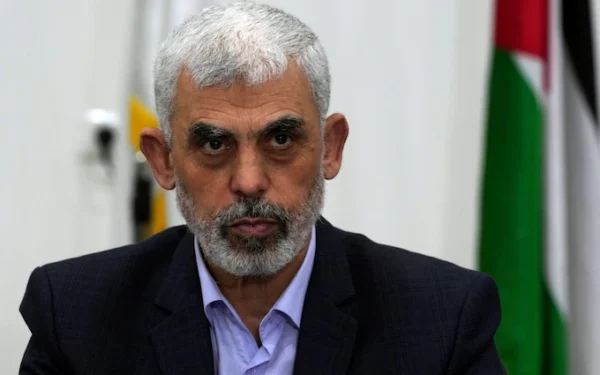
Yahya Sinwar, head of Hamas in Gaza, chairing a meeting with leaders of Palestinian factions at his office in Gaza City in 2022 Credit: Adel Hana/AP

Yahya Sinwar, 62, the mastermind of the October 7, 2023 attack on Israel is dead. Earlier today, the Israel Defense Forces (IDF) and Shin Bet confirmed that Sinwar was killed on Wednesday “in a clash with Israeli forces in southern Gaza where operations intensified based on intelligence pinpointing the whereabouts of senior Hamas leaders” (Ynet News).

The Times of Israel reports that “the 162nd Division and Gaza Division have been operation in Gaza in areas where intelligence indicates senior Hamas officials have been hiding. A force from the 828th Bislamach Brigade killed three terrorists, and one of them was identified today as Sinwar.”

“According to initial reports, the Hamas leader was killed by tank fire called in by IDF soldiers who had identified armed terrorists in a building. When the soldiers subsequently searched the premises, they discovered that one of the bodies bore a striking resemblance to Sinwar” (JNS).

Telegraph reports, “Photographs from the scene showed the corpse of Sinwar, Israel’s most wanted man, with a bloody hole in his skull. The assassination marks the most significant killing of the year-long war and a significant victory for Benjamin Netanyahu, Israel’s prime minister, who had long described him as a ‘dead man walking.’”

Ynet News notes,

IDF forces discovered large amounts of Israeli cash and identifying documents on the terrorists’ bodies. Due to the presence of explosives and grenades, drones were initially used to examine the bodies.

One of the terrorists bore a strong resemblance to Hamas leader Yahya Sinwar, leading troops to believe they may have killed him unintentionally, without prior intelligence. The exact location of the raid remains undisclosed for security reasons.

To confirm Sinwar’s identity, soldiers photographed the body and sent the images to the Israeli police’s forensic unit. Assistant Commissioner Aliza Raziel, head of the unit, confirmed that the teeth in the photos matched Sinwar’s dental records from his time in Israeli custody.

‘We had Sinwar’s dental data on file, and the match was clear,’ Raziel said. ‘This was one of the most significant moments this year, allowing us to quickly provide critical information to the field.’

Further evidence suggesting Sinwar’s death included the presence of a senior Hamas commander known to frequently accompany him. Reports from Gaza indicated the other two terrorists killed were Sinwar’s bodyguards, one of whom worked as a teacher for UNRWA and the other a high-ranking official in Hamas’ National Security Office.

Reuters reports,

Sinwar, who was named as Hamas’ overall leader following the assassination of political chief Ismail Haniyeh in Tehran in July, was believed to have been hiding in the warren of tunnels Hamas has built under Gaza over the past two decades.

His death could dial up hostilities in the Middle East where the prospect of an even wider conflict has grown. Israel has launched a ground campaign in Lebanon over the past month and is now planning a response to an Oct. 1 missile attack carried out by Iran, ally of Hamas and Lebanon’s Hezbollah.

But the demise of the man who planned the attack last year in which fighters killed 1,200 people in Israel and captured more than 250 hostages, according to Israeli tallies, could also help push forward stalled efforts to end the war in which Israel has killed more than 42,000 Palestinians, according to Gaza health authorities.

Israel’s Foreign Minister Israel Katz celebrated Sinwar’s death on Thursday, stating, “This is a great military and moral victory for Israel and the entire free world against the radical Islamist axis of evil led by Iran. The elimination of Sinwar creates possibilities to immediately free the hostages and bring a change that will lead to a new reality in Gaza without Hamas and without Iranian control” (The Times of Israel).

Regarding the status of the hostages, The Jerusalem Post reports,

Sinwar was widely believed to be hiding in Hamas tunnels throughout the Gaza Strip, never staying in one location for too long and avoiding communications technologies, relying on messengers.

The Hamas terror chief was believed to be surrounded by the remaining hostages as a human shield, which had reportedly prevented the IDF from striking and killing him. Again, the IDF reiterated in their statement that no signs of hostages were present at the site of the strike.

Conflicting reports emerged of whether Sinwar had left the tunnels over the course of the Israel-Hamas War, and the IDF obtained footage of the Hamas chief walking through the tunnels in February of this year.

Israel’s Prime Minister Benjamin Netanyahu instructed the IDF to notify the families of the hostages about Sinwar’s death and that there was no indication that any of the hostages were hurt in the deadly battle with Sinwar.

On Thursday evening, Netanyahu addressed the nation of Israel, stating,

We have a great opportunity to halt the [Iranian-led] axis of evil and to create a different future. A future of peace, a future of prosperity for the entire region.

Now it is clear to everyone, in Israel and in the world why we insisted on not ending the war, why we insisted in the face of all the pressures to enter Rafah, the fortified stronghold of Hamas where Sinwar and many of the murderers hid. (The Jerusalem Post)

To the families of the hostages who have been held for over one year, Netanyahu promised, “This is an important moment in the war. We will continue to work with all our powers to bring home all your loved ones, who are our loved ones. This is our highest commitment. This is my highest commitment” (The Jerusalem Post).

To the Hamas terrorists, Netanyahu added, “Your leaders are fleeing and they are being killed… whoever lays down arms, we will allow him to leave and to live. Whoever attacks our forces, his blood is on his own head” (Breitbart).

Netanyahu also directed his comments to the Palestinians in Gaza, “telling them that Sinwar had ‘destroyed’ their lives. While pretending to be brave, he was killed trying to flee.’”  He added, “Hamas will no longer govern in Gaza.” (Breitbart)

Netanyahu added: “To the nations of the region I say: the darkness is in retreat and the light is rising. We can find a different future, a future of peace” (Breitbart).

He closed with a verse from Psalms (18:38): “I have pursued my enemies and overtaken them, never turning back until they were consumed” (Breitbart).

Blessors of Israel is closing monitoring all developments related to Israel’s seven-front war. Please join me in praying for the safe return of the hostages and for the peace of Israel and her people.

by Dr. Matthew Dodd | October 17, 2024
The Threat of Peace in the Middle East Led to Nasrallah’s Death

As Israel and Jews around the world celebrate the Jewish New Year of 5785, Rosh Hashanah, it is important to remember what happened one year ago. Why? Because what happened one year ago ultimately led to the death of Hassan Nasrallah, the Secretary General of Hezbollah.

It was a little over a year ago, September 22, 2023 to be exact, that Israel’s Prime Minister Benjamin Netanyahu spoke at the 78th session of the United Nations General Assembly (U.N.G.A.). During his speech, Netanyahu addressed the obstacles to achieving peace in the Middle East. At that time Netanyahu said, “Many decades of efforts to make peace with Arab Nations have failed because they were based on one false assumption – that the Palestinians must be appeased as a precondition to peace. The Palestinians have much to gain from new peace agreements. They should be part of these agreements, but they should not have a veto on peace” (Israel National News).

But there was a ray of hope, for Netanyahu shared a promising update regarding the normalization efforts between Israel and Saudi Arabia, stating, “I believe that we are at the cusp of a historic peace between Israel and Saudi Arabia. Such a peace will go a long way to ending the Arab Israeli conflict.”

Part of Netanyahu’s optimism was based on what a peace agreement could mean for Israel and the entire region because it would include “a planned corridor connecting the Arabian peninsula, Israel, and Europe, to allow for travel, shipping, and energy pipelines between all of the countries involved” (Israel National News).

The potential for peace between Israel and the Arab nations was not warmly received by all in the Middle East. Ten days later, on October 2, Hassan Nasrallah addressed the possibility of normalization between Israel and Saudi Arabia during a speech that marked the birthday of the Islamic Prophet Mohammed, and issued the following condemnation and threat, that all Muslims “must bear responsibility for what is happening to the Palestinian people and the Al-Aqsa Mosque. Instead of heeding this call, we see moves toward normalization. Any country that might sign a normalization agreement should be condemned and held accountable for its actions” (Israel National News).

Five days later, on October 7, normalization between Israel and Saudi Arabia came to a screeching halt after Iranian-backed Hamas terrorists barbarically attacked Israel, murdering 1,200 people, raping women and girls, beheading and burning alive babies, and taking approximately 250 people hostage. That day, Nasrallah’s threat became a reality.

On October 8, in a show of support for Hamas as it faced retaliation from Israel, Nasrallah ordered his Iranian-backed Hezbollah fighters to fire rockets into northern Israel. At that time, Hezbollah declared that they would not stop attacking Israel until there was a ceasefire between Israel and Hamas (Independent).

Nasrallah kept his word. Hezbollah attacked Israel for the next 11 months. On September 22, 2024, Danny Dannon, Israel’s ambassador to the United Nations (U.N.), said “Since Oct. 8, over 8,000 rockets have been fired at our people, over 70,000 have been forced to flee their homes, becoming refugees in their own land” during a meeting at the U.N. (The Hill).

Initially, Israel’s response to Hezbollah’s attacks were more defensive in nature since the IDF needed to neutralize the threat from Hamas in Gaza. But on Thursday, September 12, the IDF shifted its focus to the north after it declared victory in the battle of Rafah having defeated Hamas’s four battalions within four months (Breitbart). Israel entered into a new phase of its war against terrorism and began to systematically attack Hezbollah targets in Lebanon while eliminating members of Hezbollah’s leadership.

On Tuesday, September 17, pagers used by Hezbollah terrorists exploded throughout Lebanon and Syria, leaving 12 dead and approximately 4,000 wounded, including Iran’s ambassador to Lebanon, who “lost one eye and suffered serious injury to the other when a pager he was carrying exploded” (JNS).

Then on Wednesday, September 18, “Lebanon’s health ministry said 14 people were killed and 450 wounded” when Hezbollah’s walkie-talkies exploded (Axios).

Israel still has not taken credit for either attack against Hezbollah, but The Jerusalem Post independently confirmed significant details related to the operation and has concluded that the Mossad and IDF intelligence were involved.

Axios reported, “After the explosions on Wednesday, Israeli defense minister Yoav Gallant said in a visit to an Israeli Air Force base that ‘the center of gravity is moving from Gaza to the north through the diversion of resources and forces. We are opening a new phase in the war.’”

“Israel Defense Forces Chief of Staff Gen. Herzi Halevi held meetings at the northern command’s headquarters and approved the updated operational plans for Lebanon, the IDF said. ‘We are determined to create the security conditions that allow the return of our citizens to their homes with a high level of security, and we are ready to do whatever it takes to bring these things about. We have many capabilities that we have not yet activated,’ Halevi said in a statement” (Axios).

Then last Friday, September 27, at the United Nations (U.N.), Israel’s Prime Minister Benjamin Netanyahu gave a blistering speech, calling Hezbollah, the “quintessential terror organization in the world. . . with tentacles that span all continents” (Times of Israel). Netanyahu then declared,

In the last year, completely unprovoked, a day after the Hamas massacre on October 7th, Hezbollah began attacks against Israel, which forced more than 60,000 Israelis on our northern border to leave their homes, becoming refugees in their own land. Hezbollah turned vibrant towns in the north of Israel into ghost towns. So I want you to think about this in equivalent American terms. Just imagine if terrorists turned El Paso and San Diego into ghost towns.

Then ask yourself: How long would the American government tolerate that? A day, a week, a month? I doubt they would tolerate it even for a single day. Yet Israel has been tolerating this intolerable situation for nearly a year. Well, I’ve come here today to say enough is enough.

We won’t rest until our citizens can return safely to their homes. We will not accept a terror army perched on our northern border, able to perpetuate another October 7th-style massacre. . . . As long as Hezbollah chooses the path of war, Israel has not choice. And Israel has every right to remove this threat and return our citizens to their homes safely, and that’s exactly what we’re doing.

Just this week, the IDF destroyed large percentages of Hezbollah’s rockets, which were built with Iran’s funding for three decades. We took out senior military commanders who not only shed Israeli blood but American and French blood as well. And then we took out their replacements. And then the replacements of the replacements. And we’ll continue degrading Hezbollah until all our objectives are met (Times of Israel).

Netanyahu clearly meant what he said, for prior to his U.N. speech, Breitbart reports that Netanyahu approved the largest airstrike against Hezbollah since October 8, 2023, one that targeted Hezbollah’s headquarters and its leader, Hassan Nasrallah. The attack was codenamed, “New Order” (JNS).

Telegraph reported that Netanyahu left Israel for New York to “trick” Hezbollah’s leader into thinking he was safe, a senior Israeli official told The Telegraph. “Mr. Netanyahu’s address to the UN was part of a ‘diversionary plan’ intended to make Hassan Nasrallah believe Israel would not take drastic action with the prime minister out of the country. . . Nasrallah was believed to be watching Mr Netanyahu’s speech ‘and was then attacked by Israeli Air Force planes’, the official said.” “Netanyahu approved the strike before delivering his speech at the UN,” the official added. He went on to say that the Israeli assessment was that Nasrallah was in the building at the time of the strike.

On September 28, the Israel Defense Force (IDF) confirmed Nasrallah’s death (JNS). A short time later, Hezbollah confirmed that Nasrallah was killed by the Israeli strike. Reuters reported, “The group said in a statement it would continue its battle against Israel ‘in support of Gaza and Palestine, and in defence of Lebanon and its steadfast and honourable people.”

The JNS reported “The deputy commander of Iran’s Islamic Revolutionary Guard Corps was killed in the Israel Defense Forces strike on Hezbollah’s headquarters in Beirut on Friday, according to Iranian media. Brig. Gen. Abbas Nilforoushan commanded Tehran’s Quds Force in Lebanon and oversaw the IRGC’s Operations Command.”

Last week’s strike sent a clear message to Hezbollah, Hamas, Iran, and the rest of the world. In fact, it appears that Iran is paying close attention to what Netanyahu said at the U.N. because he had a specific message for that “evil regime” as well.

For too long, the world has appeased Iran. It turned a blind eye to its internal repression. It turned a blind eye to its external aggression. Well, that appeasement must end. And that appeasement must end now.

Nations of the world should support the brave people of Iran who want to rid themselves of this evil regime. Responsible governments should not only support Israel in rolling back Iran’s aggression, but they should join Israel. They should join Israel in stopping Iran’s nuclear weapons program.

In this body and the Security Council, we’re going to have a deliberation in a few months. And I call on the Security Council to snap back UN Security Council sanctions against Iran because we must all do everything in our power to ensure that Iran never gets nuclear weapons. For decades, I’ve been warning the world against Iran’s nuclear program. Our actions delayed this program by perhaps a decade, but we haven’t stopped it. We’ve delayed it, but we haven’t stopped it. Iran now seeks to weaponize its nuclear program. For the sake of the peace and security of all your countries.

For the sake of the peace and security of the entire world, we must not let that happen. And I assure you, Israel will do everything in its power to make sure it doesn’t happen (Times of Israel).

After convening a security council meeting, Iran’s Supreme Leader Ayatollah Ali Khamenei threatened Israel for Nasrallah’s assassination while hiding in a secured location. Khamenei declared, “(Nasrallah) was not an individual. He was a path and a school of thought and the path will be continued. . . The blood of the martyr shall not go unavenged” (Reuters).

Khamenei has been in hiding ever since, paranoid because he “no longer trusts anyone” after Nasrallah was assassinated (MSN).

On October 1, Iran fired almost 200 ballistic missiles at Israel to avenge the deaths of Nasrallah, Nilforoushan, and former Hamas leader, Ismail Haniyeh. Israel and the United States intercepted “a large number” of them (The Times of Israel).

Yesterday, the Israel Defense Forces (IDF) “acknowledged that some of its airbases were hit in Iran’s massive ballistic missile attack on the country a night earlier, but stressed that no harm was caused to the functioning of the Israeli Air Force” (The Times of Israel).

On the eve of Rosh Hashanah and prior to Iran’s attack, Netanyahu told the Cabinet that Israel was witnessing “days of historic achievements. . . we are in decisive days. While we celebrate the new year, may it be a good one. . . We are in a war for our very existence. We will unite, go hand-in-hand and defeat our enemies. The people will arise like a lioness, and the Eternal One of Israel will not lie. So ends a year and its curses, and with God’s help so begins a year and its blessings” (JNS).

May it be so. And may all heed God’s promise to Abraham, allies and enemies alike,

And I will bless those who bless you,

And the one who curses you I will curse.

And in you all the families of the earth will be blessed.

(Genesis 12:3)

God meant what He said and what God said will be done.

Please join me in praying for the peace of Jerusalem, for Israel and her people.

by Dr. Matthew Dodd | October 3, 2024