




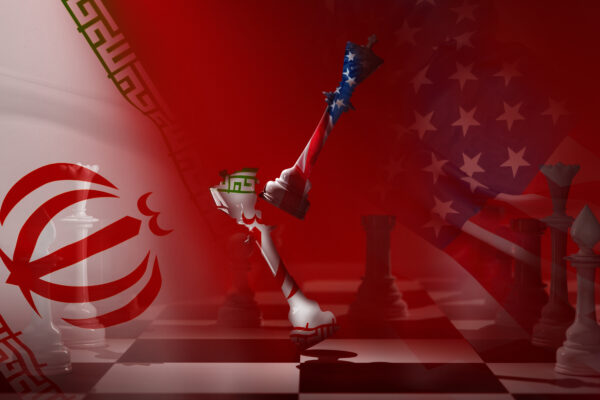
United States President Donald Trump is projecting confidence that the seven-week-old Iran conflict is nearing an end. In interviews aired on Fox Business and ABC News, Trump stated the war is “very close to being over” and predicted “an amazing two days ahead,” while noting Tehran “wants to make a deal very badly” (Breitbart). Yet developments reveal a delicate balance of crushing economic pressure via a U.S. naval blockade and ongoing diplomatic efforts that could either secure a breakthrough or see fighting resume before the ceasefire expires next week.
The conflict ignited on February 28, 2026, with joint U.S.-Israeli strikes on Iranian nuclear, missile, and leadership targets—building on June 2025 operations that had already crippled facilities at Natanz, Isfahan, and Fordo and eliminated Supreme Leader Ayatollah Ali Khamenei (The Times of Israel). A fragile two-week ceasefire began on April 8. Direct talks mediated by Pakistan in Islamabad on April 11 collapsed over Tehran’s refusal to abandon uranium enrichment or surrender its stockpiles (Algemeiner).
In response, the U.S. launched a naval blockade on April 13, which the Pentagon confirmed was “fully implemented” within 36 hours by April 15. A U.S. Navy destroyer turned back two oil tankers leaving Chabahar port on April 14 and intercepted another vessel the following day (Reuters). The action targets Iran’s oil exports—the regime’s economic lifeline—prompting warnings that sustained pressure could collapse the economy within three months amid existing damage from 47 days of internet blackouts and infrastructure strikes (Axios).
Trump framed the blockade as strategic leverage rather than escalation. “If I pulled up stakes right now, it would take them 20 years to rebuild that country,” he told Fox Business (Breitbart). Vice President JD Vance, who led the U.S. delegation in Islamabad, outlined the administration’s vision on April 14: a “grand bargain” in which Iran would “permanently abandon nuclear ambitions and end support for terrorism in exchange for full economic normalization” (Algemeiner). Deputy White House Chief of Staff Stephen Miller reinforced this on Fox News, declaring, “President Trump has put Iran in a box. He’s played the checkmate move” (Breitbart).
Diplomatic momentum persists. Pakistani Army Chief Field Marshal Asim Munir arrived in Tehran on April 15 to bridge gaps, with U.S. officials reporting an “in-principle” truce extension and possible resumption of talks “within days” (Axios). Backchannels involving Egypt and Turkey continue. Core disputes remain: Iran’s nuclear program, freedom of navigation in the Strait of Hormuz (which Tehran had closed to foreign vessels), and war-damage compensation. IAEA Director General Rafael Grossi warned in Seoul on April 15, “Iran has a very ambitious, wide nuclear program so all of that will require the presence of IAEA inspectors. . . Otherwise, you will not have an agreement. You will have an illusion of an agreement” (Breitbart).
International reactions are mixed. Russian Foreign Minister Sergey Lavrov openly affirmed Iran’s “inalienable right” to enrichment during a China visit on April 14, while Trump announced China had pledged not to supply arms (World Israel News). Iran’s IRGC has threatened proxy disruptions in the Red Sea and Persian Gulf, though some tankers reportedly evade the blockade via dark fleets (Fox News).
Israel maintains a cautious stance. Prime Minister Benjamin Netanyahu declared on Holocaust Remembrance Day that the strikes had “prevented an Iranian-wrought second Holocaust,” stating the regime’s nuclear and missile programs had been crippled (The Times of Israel). However, Israeli officials insist the mission is incomplete without full regime change and permanent denuclearization. A senior U.S. official clarified that separate Israel-Lebanon ceasefire talks in Washington on April 14 “aren’t part of Iran talks,” even as Israel’s security cabinet weighed a one-week Lebanon pause amid U.S. pressure (The Times of Israel).
White House officials continue to express guarded optimism. Whether Trump’s predicted “amazing two days” materialize depends on whether Tehran accepts U.S. red lines under blockade-induced duress. History shows Iranian regimes have weathered sanctions before, but the current combination of military degradation and economic isolation may prove decisive. A framework deal could extend the truce and pave the way for reconstruction; failure risks renewed hostilities before the ceasefire is scheduled to end. For now, the coming hours will determine if pressure and diplomacy deliver the grand bargain—or if the war’s end remains elusive (The Times of Israel).
Blessors of Israel continues to closely monitor this developing story. Please pray for our leadership, troops, Israel and her people, along with the Iranian people.
Dr. Matthew Dodd, Executive Director | April 15, 2026